How Dehydrated Vegetables Improve Shelf Life in Ready to Cook RTC Premixes
Learn how dehydrated vegetables help ready to cook RTC premix manufacturers improve shelf life, reduce wastage, maintain consistency, and simplify storage for instant food products.
Yash Pandya
5/3/20264 min read
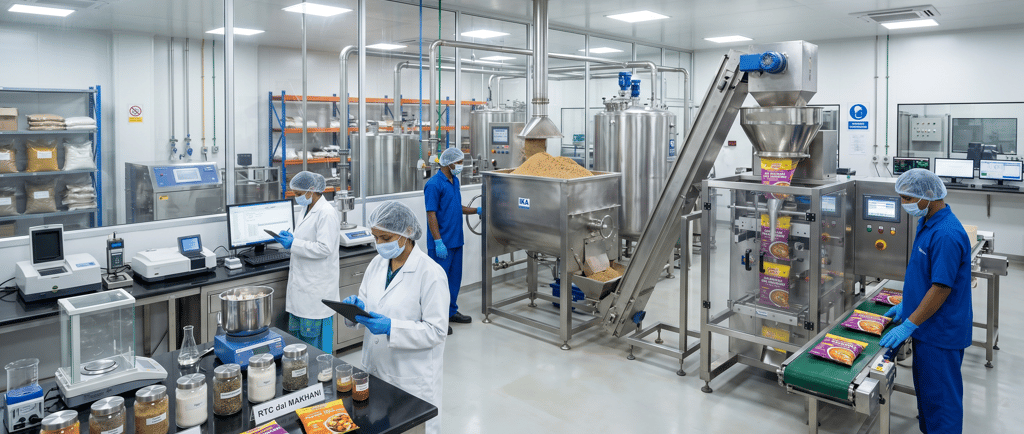
India’s ready-to-cook and instant food market is growing rapidly!
From soup premixes and breakfast mixes to gravy bases, instant curries, khichdi mixes, health blends, and travel-friendly meals; consumers today want food that is:
quick to prepare
easy to store
convenient to use
consistent in taste
suitable for busy lifestyles
But for food manufacturers, creating these products is not easy.
One of the biggest challenges in premix manufacturing is managing ingredient shelf life while maintaining taste, texture, convenience, and product stability.
This is where dehydrated vegetables and vegetable powders have become extremely important for modern food manufacturing.
Today, many ready-to-cook brands, HoReCa businesses, cloud kitchens, exporters, and food startups are increasingly using dehydrated ingredients to improve product shelf life and simplify production processes.
Why Shelf Life Matters in Ready-to-Cook RTC Premixes
Shelf life is not just about keeping products “safe.” A stable shelf life directly affects many things like,
product quality
customer satisfaction
transportation efficiency
inventory management
retail distribution
export capability
production planning
wastage control
If ingredients spoil quickly, manufacturers face many problems,
higher losses
inconsistent batches
storage complications
microbial risks
shorter market reach
This becomes especially challenging when using fresh vegetables in dry premix applications.
Fresh vegetables naturally contain high moisture content, which increases the risk of:
spoilage
fungal growth
bacterial activity
texture instability
shorter storage duration
For dry premix products, moisture control becomes critical And that is exactly where dehydrated vegetables offer a major advantage.
What Are Dehydrated Vegetables?
Dehydrated vegetables are vegetables from which most moisture has been carefully removed through drying processes while retaining usability, flavour contribution, and storage convenience.
These ingredients are commonly available in different forms like,
flakes
granules
powders
chopped forms
minced forms
Popular dehydrated ingredients used in premixes include:
onion flakes
onion powder
tomato powder
tomato flakes
Garlic minced
garlic powder
spinach powder
beetroot powder
beetroot flakes
carrot flakes
Carrot Powder
coriander leaves
green chilli flakes
cabbage flakes
capsicum flakes
ginger powder
curry leaves
mint powder
kasuri methi
mixed vegetable blends
These ingredients are widely used across the food processing industry because they are easier to store and handle compared to fresh vegetables.
https://www.trueatfoods.com/bulk-dehydrated-vegetables-supplier-india
How Dehydrated Vegetables Improve Shelf Life
1. Lower Moisture Means Lower Spoilage Risk
Moisture is one of the biggest reasons food products spoil. Fresh vegetables contain significant water content, making them highly perishable.
Dehydrated vegetables contain much lower moisture levels, which helps reduce:
microbial growth
fungal activity
fermentation risk
spoilage probability
This makes them highly suitable for dry premix formulations.
For manufacturers, this means:
improved product stability
easier storage
better transportation flexibility
reduced ingredient wastage
2. Better Stability in Dry Premix Products
Ready-to-cook products are expected to remain stable for weeks or months during:
transportation
warehousing
retail storage
online delivery
export shipping
Ingredients with high moisture can compromise the overall premix quality.
Dehydrated vegetables integrate more effectively into dry formulations because they support:
stable texture
powder flow consistency
easier blending
improved packaging compatibility
This is especially important in products like:
soup premixes
Breakfast premixes like Poha premix, upma premixes, dosa premix, chilla premix
curry premixes
khichdi mixes
seasoning blends
noodle masalas
gravy bases
3. Reduced Refrigeration Dependency
Fresh and frozen vegetables often require:
cold storage
freezer management
faster inventory rotation
This increases operational complexity and cost.
Dehydrated ingredients are shelf-stable and easier to store under suitable dry conditions.
This helps businesses reduce:
refrigeration dependency
electricity costs
cold chain pressure
storage limitations
Especially for startups and growing food brands, this becomes operationally very beneficial.
4. Improved Batch Consistency
One major challenge in food manufacturing is maintaining consistent taste and appearance across batches.
Fresh vegetables naturally vary due to:
seasonal differences
moisture variation
size inconsistency
storage conditions
Dehydrated powders and flakes can help manufacturers maintain more standardized formulations.
This improves:
flavour consistency
appearance uniformity
easier recipe standardization
repeatable product quality
Consistency becomes extremely important for brands scaling production commercially.
5. Easier Transportation & Inventory Management
Transporting fresh vegetables at industrial scale can be difficult due to:
perishability
weight
storage sensitivity
faster spoilage during transit
Dehydrated vegetables are lighter, more compact, and easier to handle.
This helps:
reduce logistics pressure
improve inventory planning
simplify warehousing
support interstate distribution
improve export readiness
For ready-to-cook brands expanding across India, shelf-stable ingredients create operational flexibility.
Applications of Dehydrated Vegetables in Ready to Cook RTC Premixes
Today, dehydrated ingredients are used in a wide range of food products.
Common Applications
Instant Breakfast Premixes
poha mixes
upma mixes
dosa premixes
chilla mixes
Soup Premixes
tomato soup
mixed vegetable soup
spinach soup
beetroot soup
Curry & Gravy Premixes
pav bhaji
paneer gravy
mix veg curry
makhani base
Health & Functional Foods
spinach powder blends
beetroot health mixes
banana powder applications
vegetable nutrition blends
Snack & Seasoning Industry
instant noodles
namkeen seasoning
masala blends
flavour enhancers
Why Food Startups Prefer Dehydrated Ingredients
India’s ready-to-cook startup ecosystem is growing rapidly.
Many small and medium food brands prefer dehydrated ingredients because they help simplify:
storage
sourcing
inventory
formulation
product development
For startups working with limited infrastructure, managing fresh vegetable procurement daily can become operationally difficult.
Dehydrated ingredients provide:
easier handling
scalable production support
lower preparation effort
faster manufacturing workflows
This allows startups to focus more on:
product innovation
branding
sales growth
distribution expansion
How TRUEAT Supports Ready-to-Cook Manufacturers
At TRUEAT, the focus is on helping food businesses develop practical and scalable ingredient solutions for modern food products.
TRUEAT offers a growing range of:
dehydrated vegetables
vegetable powders
fruit powders
premix-support ingredients
customized ingredient applications
suitable for:
ready-to-cook brands
HoReCa businesses
food startups
health food manufacturers
private label companies
instant food manufacturers
From onion powder and tomato powder to spinach powder, banana powder, carrot flakes, beetroot powder, and mixed vegetable ingredients — the goal is to help businesses simplify product development while improving convenience and shelf stability.
The Future of Ready-to-Cook Foods Depends on Smarter Ingredients
Consumer demand is changing rapidly.
People now expect food products that are:
convenient
shelf stable
quick to prepare
easier to store
travel friendly
operationally practical
For manufacturers, this means ingredient efficiency matters more than ever.
Dehydrated vegetables are no longer just “alternative ingredients.” They are becoming essential building blocks for modern ready-to-cook food innovation.
As India’s instant food and convenience food industry continues growing, shelf-stable ingredient solutions will likely play an increasingly important role in helping brands create scalable, efficient, and consumer-friendly products.
Frequently Asked Questions (FAQs)
Q1) Why are dehydrated vegetables used in ready-to-cook premixes?
ANS: They help improve shelf life, reduce spoilage risk, simplify storage, and support stable dry formulations.
Q2) Do dehydrated vegetables require refrigeration?
ANS: Most dehydrated vegetables are easier to store under suitable dry storage conditions compared to fresh vegetables.
Q3) Which dehydrated vegetables are commonly used in premix manufacturing?
ANS: Popular options include onion, tomato, garlic, spinach, beetroot, carrot, coriander, chilli, and mixed vegetable ingredients.
Q4) Are dehydrated vegetable powders useful for food startups?
ANS: Yes. They help simplify inventory management, reduce wastage, and support easier product development for growing brands.
Q5) Can dehydrated ingredients help reduce operational costs?
ANS: They can help reduce wastage, storage pressure, refrigeration dependency, and ingredient handling complexity.
© 2025. All rights reserved by
TRUEAT FOODS LLP
Quick Links
Our journey began with a question:
Why can’t healthy, clean food be truly convenient?
United by passion and purpose, we founded Trueat Foods LLP to craft products that honour nature’s purity and empower families and our food brands alike. With every ingredient and every innovation, we commit to purity, integrity, and a healthier future.
At Trueat Foods, we don’t just process ingredients - we protect their integrity. We don’t just create products - we build trust. And we’re doing it for every kitchen and every food brand that shares our belief: that food should be clean, pure, and true. We don’t just sell dehydrated ingredients for your need of the food - We are offering convenience, time saving, mindful eating, sustainability, healing through nature.
This is just the beginning of our journey. But the mission is clear and we are here for it, every step of the way.
TRUEAT FOODS LLP
Live Fully, Eat Truly!
+91 82007 08744
connect@trueatfoods.com
For update from TRUEAT, Subscribe!